


A wrong part order rarely looks like a big problem in the moment. Someone calls in a part number, the supplier confirms it, and the order ships. The trouble shows up days or weeks later, when the part arrives and does not fit, or when it clears customs as the wrong item and gets held for correction.
This post covers how to identify mining equipment part numbers correctly before placing an order, the mistakes that most often cause wrong-part shipments, and what to look for in a mining parts catalog built for operators sourcing across the Caribbean and South America.
Why Getting the Order Right the First Time Matters More Than It Seems
The Real Cost of a Wrong Part Order
A wrong part costs more than the price of the part itself. There is the time spent identifying the error, the time spent returning the incorrect item, and the time spent waiting for the correct one to ship again. For a machine that is down while this happens, every day adds to the production loss.
Most of this cost is invisible until it happens. A part number that looks close enough on a packing slip can be confirmed, shipped, and installed before anyone realizes it is not the right fit for that specific machine.
If you want to learn more about what to gather before placing an order, check out our guide on what every operations manager should know before placing a mining equipment parts order.
Why Cross-Border Orders Raise the Stakes
For operations in the Caribbean or South America, a wrong part order does not just mean a delay. It often means a shipment that has already cleared customs under one description arriving as something else, which can trigger additional paperwork, inspection holds, or return shipping across an international border.
Getting the identification right before the order ships avoids all of this. The goal is not just finding mining replacement parts for sale, but finding the correct one before it leaves the warehouse.
How to Identify Mining Equipment Part Numbers Correctly
Starting With the Machine’s Serial Number and Configuration
The machine model alone is not enough to identify most parts correctly. The serial number identifies the specific configuration of that unit, including which version of a component was installed at the factory and what has changed in later production runs of the same model.
Before contacting a supplier, gather:
- The full machine model and serial number
- The component’s location on the machine
- Any part number visible on the component itself
- The approximate age or production year of the machine, if the serial number is not available
Reading OEM Part Numbers vs Aftermarket Cross-References
An OEM part number identifies a component as the manufacturer specifies it for that machine and configuration. An aftermarket cross-reference maps that OEM number to an equivalent part from another manufacturer, but the match is only as good as the cross-reference itself.
Two parts that look identical can carry different specifications for materials, tolerances, or fitment depending on small revisions the OEM made over the life of the model. A cross-reference that does not account for those revisions can point to a part that was correct for an earlier version of the machine but not the one in front of you.
Where to Find the Right Identifiers on the Machine and in Manuals
Part numbers and serial numbers are usually found in a few consistent places:
- Identification plates on the machine frame or component housing
- The parts manual or operator’s manual for that specific serial range
- Stamped or etched numbers directly on the component, if visible without disassembly
When the identification plate is missing, damaged, or illegible, the parts manual cross-referenced against the serial number is usually the most reliable source.
Common Mistakes That Lead to Wrong-Part Shipments
Ordering by Machine Model Alone Without Serial-Specific Configuration
The most common mistake is treating the machine model as the only identifier needed. Two machines of the same model, built a year apart, can use different versions of the same component. An order placed without the serial number leaves the supplier guessing which version applies.
Relying on Outdated Catalogs or Cross-Reference Lists
Cross-reference data changes as manufacturers update designs and as aftermarket suppliers add or revise their own part numbers. A catalog or cross-reference list that has not been updated to reflect current OEM revisions can confidently point to a part number that was correct in the past but has since been superseded.
If you want to learn more about what separates a reliable source from an outdated one, check out our guide on how to evaluate mining replacement parts suppliers before a breakdown happens.
Confusing Similar Part Numbers Across Regional or Generational Variants
Many mining equipment platforms are sold in different regional configurations, and part numbers can differ between them even when the components look nearly identical. A part number correct for one regional variant may be one digit off from the number needed for another, and that single digit can mean a part that does not fit.
What a Reliable Mining Parts Catalog Should Offer
Searchable by Machine Model, Serial Range, and Application
A catalog that only searches by part number assumes the customer already has the correct number, which is often the point of failure in the first place. A catalog that can be searched by machine model and serial range, and that returns the parts applicable to that specific configuration, removes much of the guesswork before an order is placed.
Verified Cross-References Between OEM and Aftermarket Options
When an aftermarket option exists, the catalog should show how it maps to the OEM number and what, if anything, differs between them. This lets the customer make an informed choice rather than assuming every cross-referenced part is a direct equivalent.
Mining Parts Catalog Caribbean: Built for Regional Sourcing
For operators in the Caribbean and South America, a catalog built around regional sourcing accounts for the equipment variants actually in use across those markets, rather than assuming a single configuration applies everywhere. This matters because the same machine model can arrive in the region through different import channels, each with its own configuration history.
How Proper Identification Speeds Up Cross-Border Orders
Avoiding Customs Delays From Incorrect Documentation
Customs documentation typically references the part description and number being shipped. If that description does not match what is actually needed once the shipment arrives, correcting it after the fact can mean additional customs processing on the replacement shipment, on top of the original delay.
Reducing Reshipping Costs and Lead Time Losses
A part that ships internationally and turns out to be incorrect has to be returned, replaced, and shipped again, often retracing the same international leg twice. For an operation in the Caribbean or South America, that round trip can add weeks to a repair that correct identification would have resolved in days.
Why a Miami-Based Warehouse Shortens the Path to the Caribbean and South America
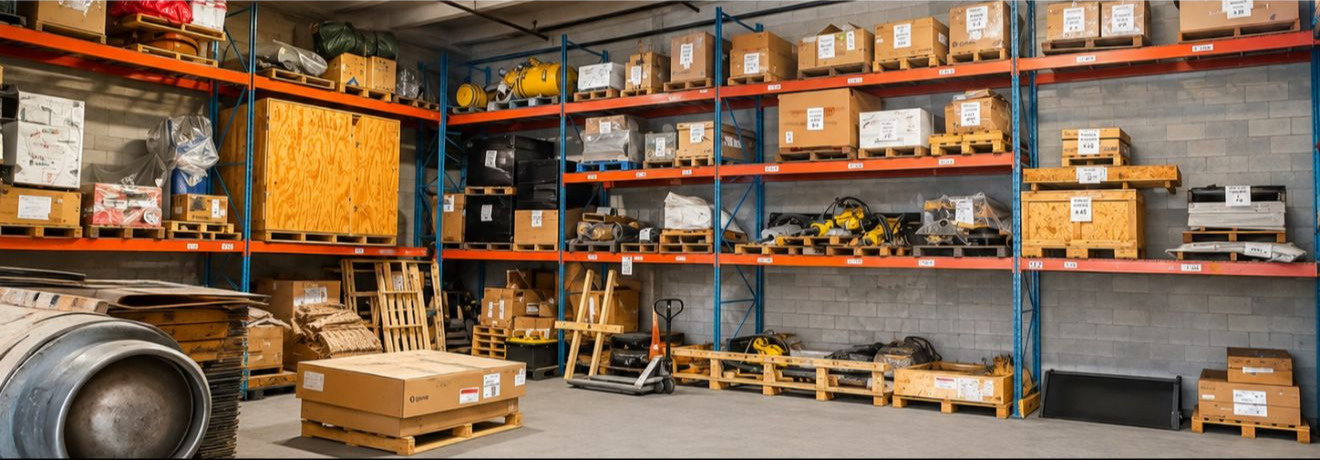
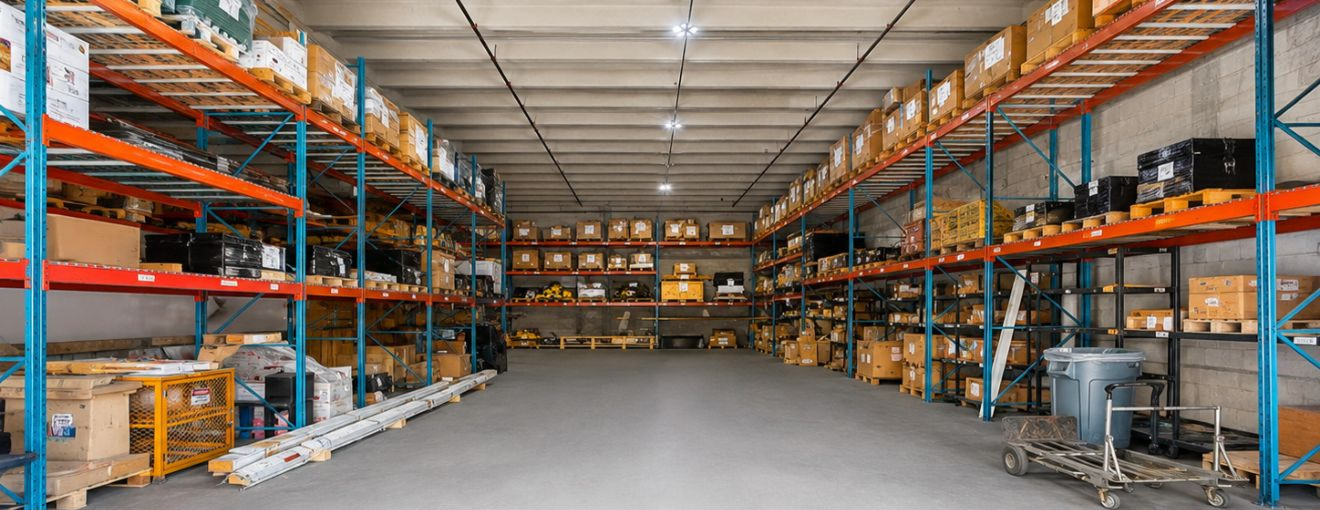
A regional warehouse based in Miami sits closer to most Caribbean and South American destinations than parts shipped directly from an OEM’s overseas distribution center. When identification is handled correctly before the order ships, that shorter path becomes the full advantage rather than being offset by a correction shipment.
If you want to learn more about when a Miami-based timeline applies to whole equipment as well as parts, check out our guide on the real cost math behind rebuilding versus replacing remanufactured quarry equipment.
A Simple Process for Ordering Mining Replacement Parts the Right Way
Gather Machine and Part Identifiers Before Contacting a Supplier
Before placing an order, have the machine’s serial number, the component’s location and any visible part number, and a description of what is being replaced. This gives the supplier what they need to verify fitment before quoting, rather than after shipping.
Confirm Fitment Before the Order Is Placed, Not After
A supplier who can confirm fitment against the machine’s serial number before the order is placed is checking the work upfront. A supplier who only confirms after the part has shipped is relying on the original identification being correct, which is exactly where most wrong-part orders start.
How Millennium Machinery Supports Accurate Parts Ordering
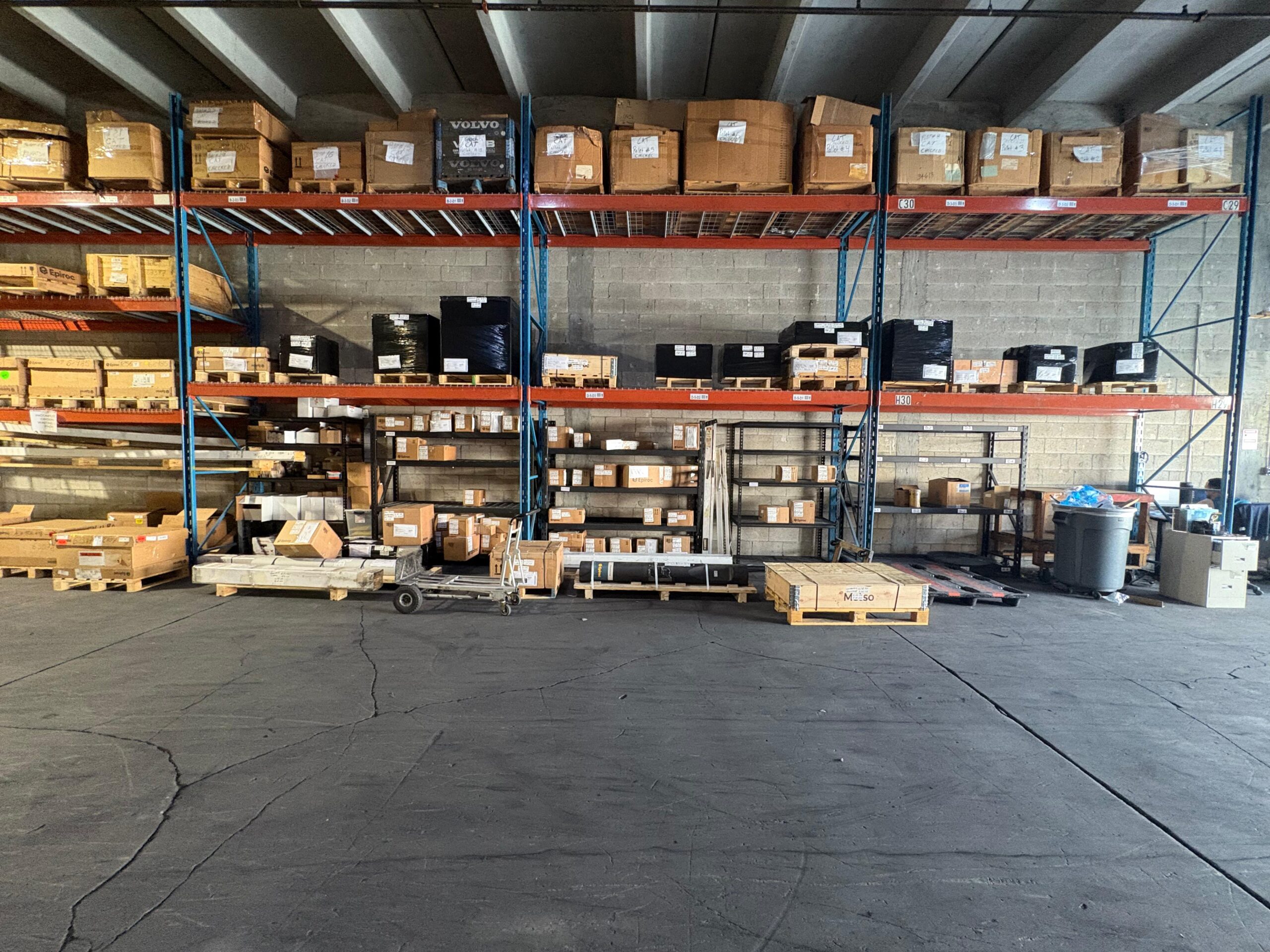
Millennium Machinery supplies mining replacement parts for operations across the United States, the Caribbean, and South America from its Miami warehouse. Every order goes through verification against the machine’s model, serial number, and configuration before it is confirmed, not after it ships.
Support includes:
- A parts catalog searchable by machine model, serial range, and application
- Verified cross-references between OEM and aftermarket part numbers
- Technical verification of fitment before every order is confirmed
- A Miami-based warehouse positioned for faster delivery to the Caribbean and South America
- Export documentation prepared to match the parts actually being shipped
Quick Answers
What information do I need before ordering a mining replacement part?
The machine’s model and serial number, the component’s location, any visible part number, and a description of what is being replaced. The serial number is what allows a supplier to confirm the correct configuration.
Why isn’t the machine model enough to identify the right part?
The same model can use different versions of a component depending on when it was built. The serial number identifies which configuration applies, which the model number alone does not.
How do OEM part numbers differ from aftermarket cross-references?
An OEM number identifies the part exactly as the manufacturer specifies for that configuration. An aftermarket cross-reference maps to an equivalent part, but the accuracy of that match depends on whether it accounts for revisions the OEM has made over time.
Why do wrong part orders cost more for operations in the Caribbean or South America?
A wrong part shipped internationally has to be returned and replaced, retracing the same shipping and customs process twice. That adds weeks to a repair that correct identification would have avoided.
Does Millennium Machinery verify fitment before shipping parts?
Yes. Every order is checked against the machine’s model, serial number, and configuration before it is confirmed, and the catalog is built to support that verification from the start.
Get the Right Part, the First Time
Millennium Machinery helps mining operations across the Caribbean and South America order the correct part on the first attempt, backed by a Miami warehouse and a catalog built for verified fitment.
Contact our team today to confirm the parts your operation needs.